TRUFIT Customs - Mar 25, 2026
Hockey Mouthguards: Why Fit Matters More in a Full-Cage Sport
A hockey mouthguard protects teeth, helps absorb impact through the jaw, and reduces the risk of dental injuries.
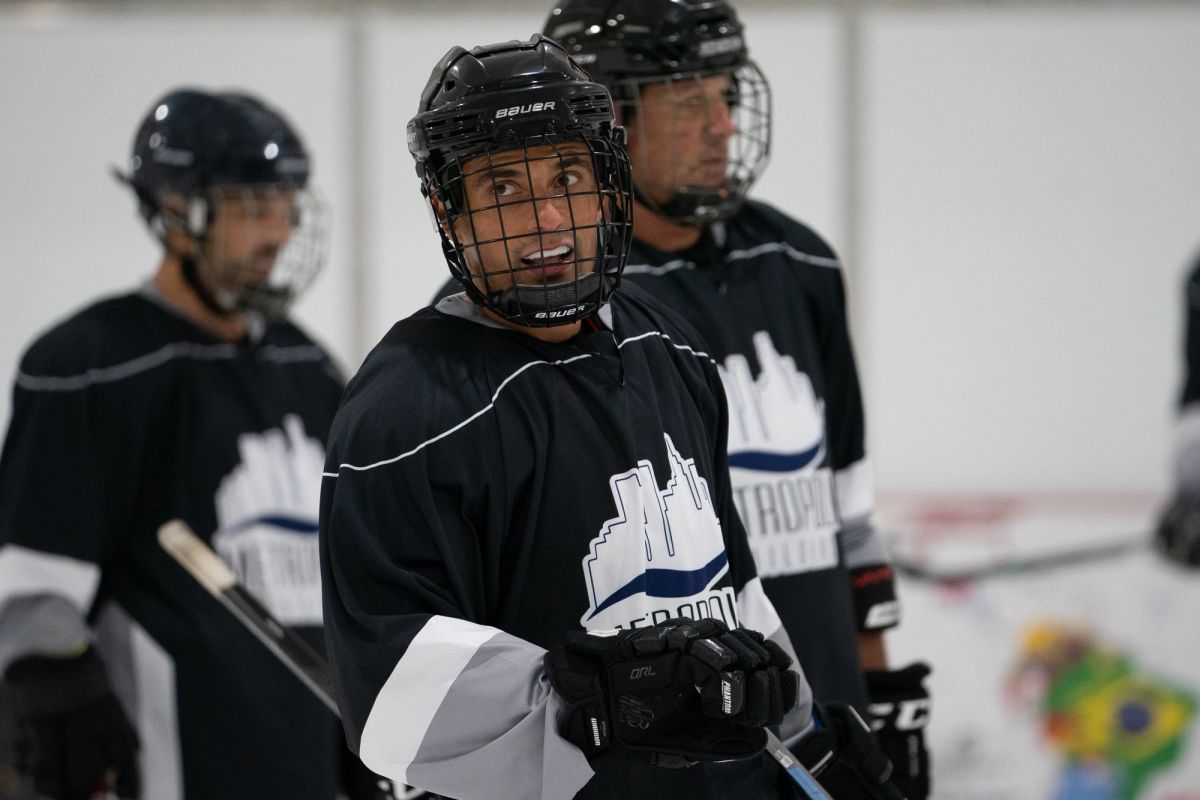
At first glance, hockey looks like one of the most protected sports on the ice. Players wear helmets. Many of them use full cages or visors. From the outside, it can seem like facial protection is already taken care of.
But anyone who’s played hockey knows that impacts rarely happen the way you expect. Sticks ride up, and pucks deflect. Players collide along the boards. And when this happens, force travels through the helmet and directly into the jaw.
That’s why mouthguards remain a standard piece of equipment across youth, amateur, and professional hockey. The guard protects teeth, helps absorb impact through the jaw, and reduces the risk of dental injuries.
The key factor, however, isn’t just wearing one. It’s wearing one that fits correctly.
Do Hockey Players Still Need Mouthguards With A Cage?
Helmets and cages protect the face, but mouthguards protect teeth and the jaw from internal impact forces.
Custom-fit mouthguards in particular are designed to stay secure during skating, contact, and communication on the ice. Loose mouthguards, on the other hand, often get chewed, removed between shifts, or sit partially out of place. That inconsistency not only reduces their protective value but also increases the risk of dental and jaw injuries when they're needed most.
Why Doesn’t Facial Protection Replace A Mouthguard?
Hockey helmets and cages do an excellent job of preventing direct injuries to the face. What they don’t do is absorb internal impact.
When a player takes a hit along the boards or collides with another skater, the helmet distributes the external force. The jaw can still snap together from that impact.
That sudden compression can cause several problems.
- Cracked or chipped teeth
- Damage to dental work
- Jaw joint strain
- Soft tissue injuries inside the mouth
A mouthguard adds another layer of protection by cushioning the contact between the upper and lower teeth.
Instead of teeth slamming together, the guard absorbs part of the force.
Why Do Hockey Players Remove Their Mouthguards So Much?
Watch a hockey bench during a game, and you’ll see it everywhere. Players skate off the ice and immediately pull out their mouthguards. The reason usually revolves around comfort.
Many boil-and-bite guards feel bulky and make it harder to speak clearly during quick line changes. Others don’t stay in place and need constant adjustment.
Common complaints we’ve heard about boil-and-bite guards include:
- They feel too thick
- They make it difficult to communicate on the bench
- They fall out while talking
- It’s easy to chew on them during play
When a mouthguard doesn’t fit properly, players end up working around it instead of relying on it.
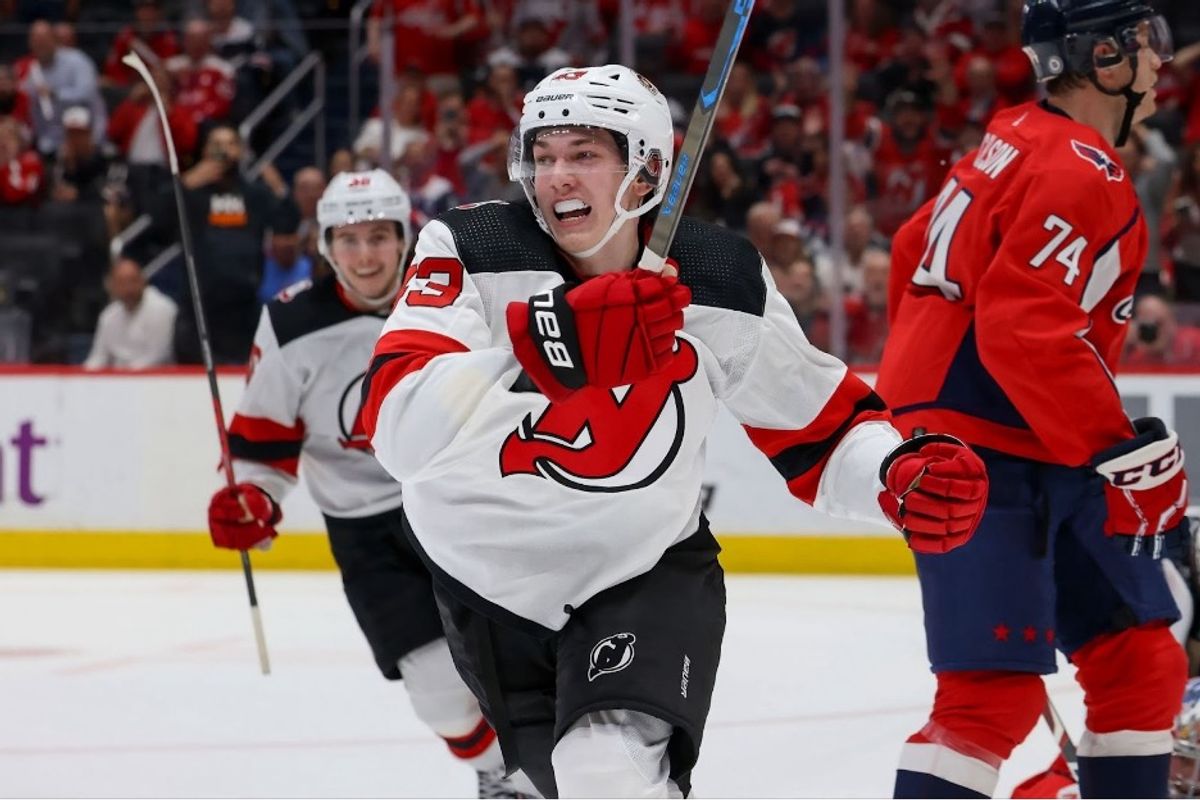
What Changes With A Properly Fitted Hockey Mouthguard?
A custom-fit mouthguard works very differently. Instead of sitting loosely over the teeth, it cups each tooth individually. That creates a secure fit that doesn’t move during skating, contact, or communication.
Once the guard locks into place, the experience changes. Breathing feels natural, and talking becomes easier when the guard stays where it belongs.
We find that players often notice several differences right away.
- The guard stays secure during play
- Communication becomes clearer on the ice
- There’s less bulk inside the mouth
- Athletes stop adjusting it constantly
For many players, the biggest change is simple. They stop thinking about the mouthguard entirely.
Does Precision Fit Matter In A Fast Sport Like Hockey?
Hockey moves quickly. When you’re on the ice, you’re accelerating, changing direction, and colliding, all of which result in absorbing contact along the boards in a matter of seconds. Equipment that shifts or moves only becomes a distraction.
A mouthguard that fits precisely helps eliminate that distraction. With TRUFIT Customs mouthguards, each tooth sits in a fitted groove that stabilizes the guard and keeps it secure during movement.
That stability matters during several moments in a game.
- Taking contact along the boards
- Battling for position in front of the net
- Communicating during line changes
- Absorbing unexpected puck deflections
When a guard fits correctly, it becomes part of your gear rather than something you constantly adjust.
How TRUFIT Mouthguards Are Built For Hockey Players
TRUFIT Customs mouthguards are designed using a digital manufacturing process that focuses on precision and comfort. The process starts with an at-home impression kit. Once returned, the impression is digitally scanned and engineered using CAD software.
From there, the guard is manufactured using advanced 3D printing technology.
This process allows TRUFIT to remove unnecessary material while maintaining protection.
Key design features include:
- Precision cuts that reduce bulk and improve breathing
- Custom grooves that cup each individual tooth
- Anchor stabilizers that keep the guard secure
- Dual-layer protection designed to absorb impact
Because the guard is engineered specifically for the athlete’s bite, it stays secure even during high-speed play.
Protect Your Teeth During Every Shift
Hockey is fast, physical, and unpredictable. Even with helmets and cages, your mouth and jaw still absorb impact during collisions and contact.
A properly fitted mouthguard helps reduce dental injuries while keeping athletes comfortable enough to wear it every shift.